Interior vs Exterior Waterproofing Methods Explained
Interior and exterior waterproofing methods explained help homeowners understand how local contractors can protect their property from water damage effectively.
Understanding the differences between interior vs exterior waterproofing methods explained can be a valuable step for property owners looking to protect their investments. Whether dealing with basement leaks, foundation concerns, or moisture issues, knowing which approach suits specific needs is essential. This information can help homeowners and building managers make informed decisions about safeguarding their properties, especially in areas prone to heavy rainfall or humidity. Local contractors who specialize in both interior and exterior waterproofing services can assess individual situations and recommend the most effective solutions to keep structures dry and secure.
Exploring this topic further reveals practical reasons why property owners might consider different waterproofing strategies. Interior waterproofing often involves installing barriers or drainage systems inside the building, making it suitable for existing issues or limited access points. Exterior waterproofing typically entails working on the outside of the foundation, providing a comprehensive barrier against water intrusion before it reaches the structure. Connecting with experienced service providers in the area can help determine the best approach for specific property conditions, ensuring long-term protection. Keep reading to discover how these methods compare and how local experts can assist in implementing the right solution.
- Interior waterproofing - homeowners experiencing basement leaks or moisture issues may seek interior waterproofing, which local contractors often install with sealants, membranes, or drainage systems inside the building.
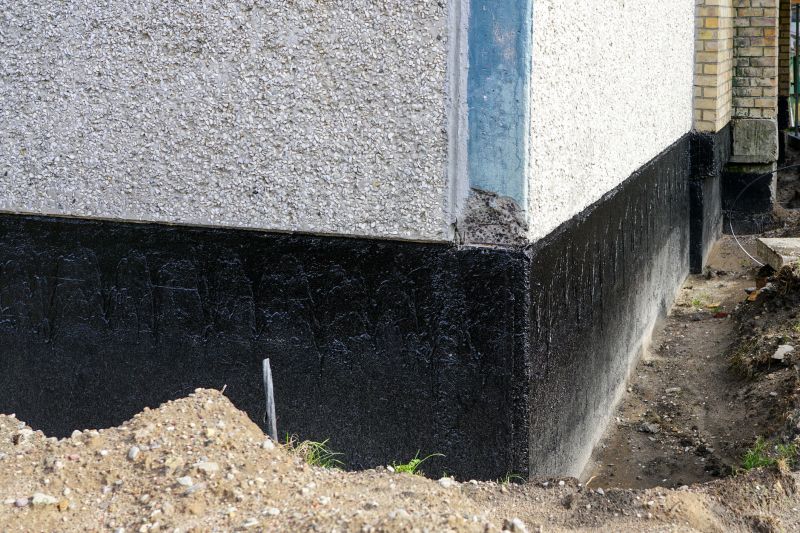
- Exterior waterproofing - property owners planning foundation repairs or dealing with persistent water intrusion from outside sources typically opt for exterior waterproofing, which local service providers apply by sealing or coating the exterior walls.
- Interior waterproofing - when space constraints or interior finishing needs prevent exterior work, local pros can implement interior solutions that manage moisture and prevent water damage from within the structure.
- Exterior waterproofing - for long-term protection against groundwater or surface water infiltration, exterior waterproofing methods are preferred and handled by local contractors experienced in excavation and wall sealing techniques.
- Interior waterproofing - in cases where exterior access is limited or costly, interior waterproofing offers a practical alternative, with local service providers customizing solutions based on the specific interior conditions.
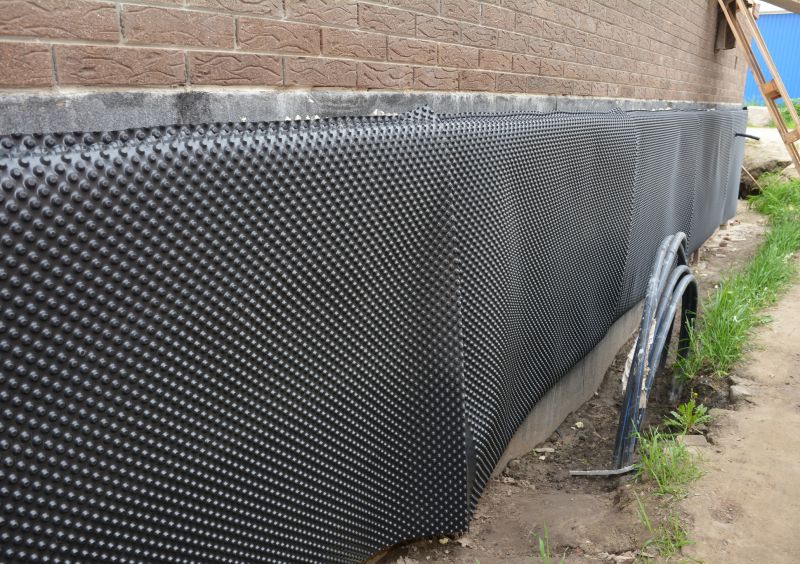
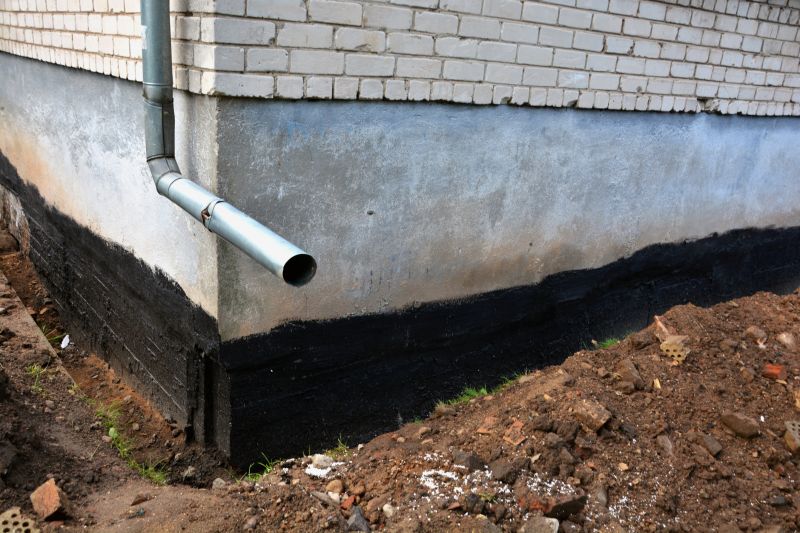
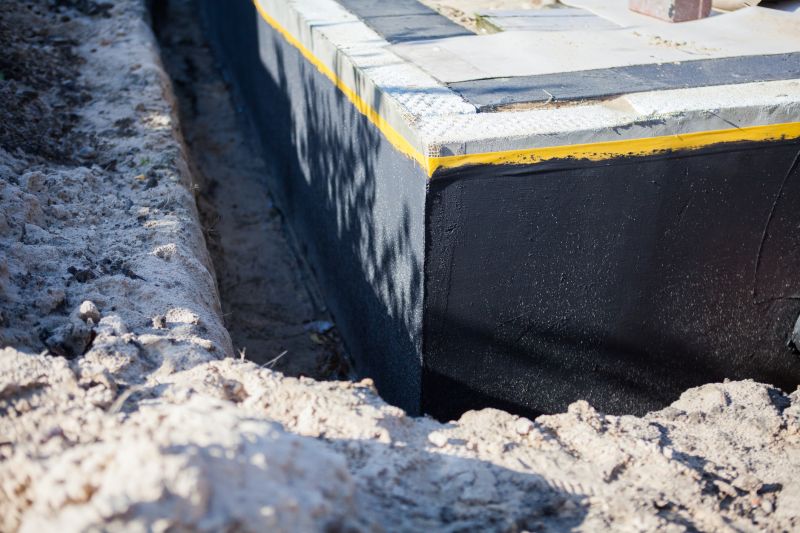
When searching for information on interior vs exterior waterproofing methods explained, homeowners are often trying to understand the best approach to protect their properties from water intrusion and related damage. This topic typically comes up in the context of addressing existing water problems, preventing future issues, or planning renovations that involve foundation work. Homeowners may be experiencing signs of moisture in basements, mold growth, or cracks in foundation walls, prompting them to explore waterproofing options. Alternatively, those planning new construction or major renovations might want to incorporate waterproofing measures early in the project to safeguard their investment over time.
The decision between interior and exterior waterproofing methods is closely linked to specific property problems and project goals. Interior waterproofing often involves installing systems inside the building, such as sump pumps, drainage panels, or sealants, to manage water that has already entered or is likely to enter the space. Exterior waterproofing, on the other hand, typically involves excavating around the foundation to apply waterproof coatings, membranes, or drainage systems to prevent water from penetrating the foundation walls in the first place. These approaches are suitable for different scenarios; interior methods might be more practical for existing structures with limited access to exterior surfaces, while exterior techniques are generally considered more comprehensive for long-term prevention.
Properties that commonly come up in discussions about waterproofing include basements, crawl spaces, and foundations of homes, especially those in areas prone to heavy rainfall or high water tables. Older homes with cracks or deteriorated foundation walls often need exterior waterproofing to address ongoing water issues effectively. Newer constructions might incorporate interior waterproofing as part of a comprehensive foundation protection plan. Commercial properties, such as parking garages or storage facilities, also frequently require waterproofing solutions to prevent water damage and maintain structural integrity. Understanding the type of property and its specific water challenges helps homeowners and contractors choose the most suitable waterproofing method.
Local service providers who specialize in interior and exterior waterproofing can evaluate the unique needs of each property and recommend appropriate solutions. They often perform comprehensive assessments to determine whether interior or exterior methods-or a combination of both-are best suited for the situation. Exterior waterproofing is typically more invasive, involving excavation and surface treatment, but offers long-lasting protection. Interior waterproofing tends to be less disruptive and can be an effective option for existing structures with limited exterior access. Connecting with experienced contractors ensures that waterproofing projects are tailored to the property's condition, helping homeowners protect their investment and maintain a dry, stable interior environment.
Foundation Repair Projects - foundation repair often requires waterproofing strategies similar to interior and exterior methods to prevent water intrusion and structural damage, with local contractors providing specialized solutions.
Basement Finishing - basement finishing projects involve addressing moisture control through waterproofing techniques comparable to those used in interior and exterior waterproofing services, handled by experienced local service providers.
Retaining Wall Construction - building retaining walls may require waterproofing to manage water pressure and prevent seepage, utilizing skills and planning similar to exterior waterproofing methods.
Drainage System Installation - installing drainage systems involves planning and tools akin to waterproofing applications, with local pros ensuring proper water diversion for both interior and exterior needs.
Roof Waterproofing - roof waterproofing projects share techniques and materials with exterior waterproofing methods, with local contractors managing the application to protect structures from water damage.
Waterproofing for Commercial Buildings - commercial waterproofing projects often incorporate both interior and exterior approaches, requiring expertise in planning and materials similar to those used in residential waterproofing services.
When evaluating local contractors for interior versus exterior waterproofing services, it is important to consider their experience with similar projects. Homeowners should inquire about the types of waterproofing methods the service providers have handled in the past, especially those comparable to the specific needs of their property. A contractor’s familiarity with both interior and exterior waterproofing techniques can indicate their ability to recommend the most effective solutions and execute the work efficiently. Additionally, understanding a contractor’s track record with projects of similar scope can provide confidence in their capability to address unique challenges that may arise during waterproofing efforts.
Clear written expectations are essential when comparing local service providers for waterproofing projects. Homeowners should seek detailed proposals that outline the scope of work, materials to be used, and the steps involved in both interior and exterior waterproofing methods. Well-defined expectations help ensure that all parties are aligned on what the project entails, reducing misunderstandings and providing a basis for evaluating the quality and thoroughness of each contractor’s approach. Service providers who clearly communicate their process and deliver comprehensive written plans demonstrate professionalism and a commitment to transparency.
Reputable references and good communication are key factors when selecting local contractors for waterproofing services. Homeowners are encouraged to ask for references from previous clients who had similar projects completed, as this can reveal insights into the contractor’s reliability and the longevity of their work. Additionally, effective communication throughout the process-such as prompt responses to questions and willingness to explain the pros and cons of interior versus exterior waterproofing-can significantly impact the overall experience. Contractors who prioritize clear, ongoing dialogue and provide trustworthy references are more likely to deliver satisfactory results in both interior and exterior waterproofing endeavors.
Property owners often search for interior vs exterior waterproofing methods explained when they are planning practical projects around their homes and businesses. Local pros provide Interior and Exterior Waterproofing services for everyday jobs and straightforward project options.
Homeowners in the area often search for information on interior vs exterior waterproofing methods explained to better understand how to protect their properties from water damage. Whether dealing with persistent dampness, basement leaks, or foundation concerns, many seek guidance on the most effective approach for their specific situation. Local contractors can provide insights into the advantages and limitations of each method, helping property owners make informed decisions to safeguard their homes against moisture intrusion and structural issues.
When considering waterproofing options, property owners might look into services offered by local pros specializing in interior or exterior solutions. Interior waterproofing typically involves sealing cracks and installing drainage systems inside the building, making it suitable for existing issues or limited access points. Exterior waterproofing often entails excavating around the foundation to apply protective coatings or membranes, which can be more comprehensive for preventing water intrusion before it occurs. Consulting with experienced local service providers can help determine the best approach based on the property's needs and conditions.
What is the main difference between interior and exterior waterproofing methods? Interior waterproofing involves applying barriers or drainage systems inside the building to prevent water intrusion, while exterior waterproofing focuses on creating a waterproof barrier on the outside of the foundation before backfilling. Local contractors can help determine which approach suits specific needs.
When should interior waterproofing be considered over exterior options? Interior waterproofing is often used when exterior access is limited or when moisture issues originate inside the building, such as basement leaks. Service providers can assess the situation and recommend the best method based on the property.
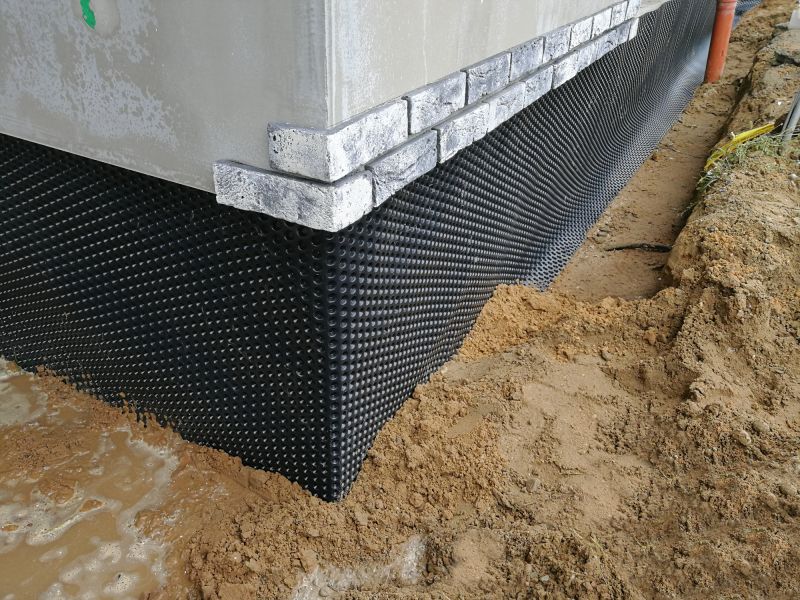
What are common exterior waterproofing techniques used by local service providers? Exterior waterproofing typically includes excavation to install waterproof membranes, drainage boards, and sealants on the foundation walls to prevent water from penetrating from outside sources.
Can interior waterproofing effectively stop water leaks? Yes, interior waterproofing can effectively manage existing leaks and prevent future water intrusion when combined with proper drainage systems, though it may not address the root cause of external water pressure.
How do local contractors determine whether to use interior or exterior waterproofing methods? They evaluate factors such as the source of water intrusion, accessibility of the foundation, and the condition of the exterior surfaces to recommend the most suitable waterproofing approach for each property.
Assessing moisture sources - property owners can evaluate whether interior or exterior waterproofing best addresses specific moisture issues in their homes with help from local contractors.
Choosing appropriate methods - homeowners can decide between interior and exterior waterproofing based on the type of foundation and weather conditions, with guidance from local pros.
Planning for future water protection - property owners might plan ongoing waterproofing maintenance or upgrades by consulting local contractors about the benefits of interior vs exterior methods.
Understanding project scope - individuals can determine whether interior or exterior waterproofing is more suitable for their project size and accessibility needs, with advice from local service providers.
If you are thinking about interior vs exterior waterproofing methods explained for a property, this guide is meant to help you understand this topic, the typical project types, and how different options might fit your plans.
When you are ready, you can use the quote form on this page to share a few details about your project. From there, local pros can review the basics and follow up with options that match what you have in mind.